Breaking News

All voices matter
When it comes to how alcohol actually reaches a liquor store in Arkansas, distributors are the most important piece of the system.
Whether it’s bourbon, whiskey, rum, tequila, vodka, wine, or ready-to-drink cocktails, your liquor almost always must pass through a licensed Arkansas distributor before it ever appears on a retail shelf.
In Arkansas, retail spirits distribution is dominated by a small number of distributors, most notably:

Which distributor represents a brand—and which stores that distributor chooses to support—has a direct impact on availability, pricing, and allocations.
Arkansas law does provide limited exceptions for in-state distilleries—but those exceptions do not change who controls the market.
In Arkansas’s three-tier system, distributors sit in the middle tier, but in practice, they are the control point.
Distributors:
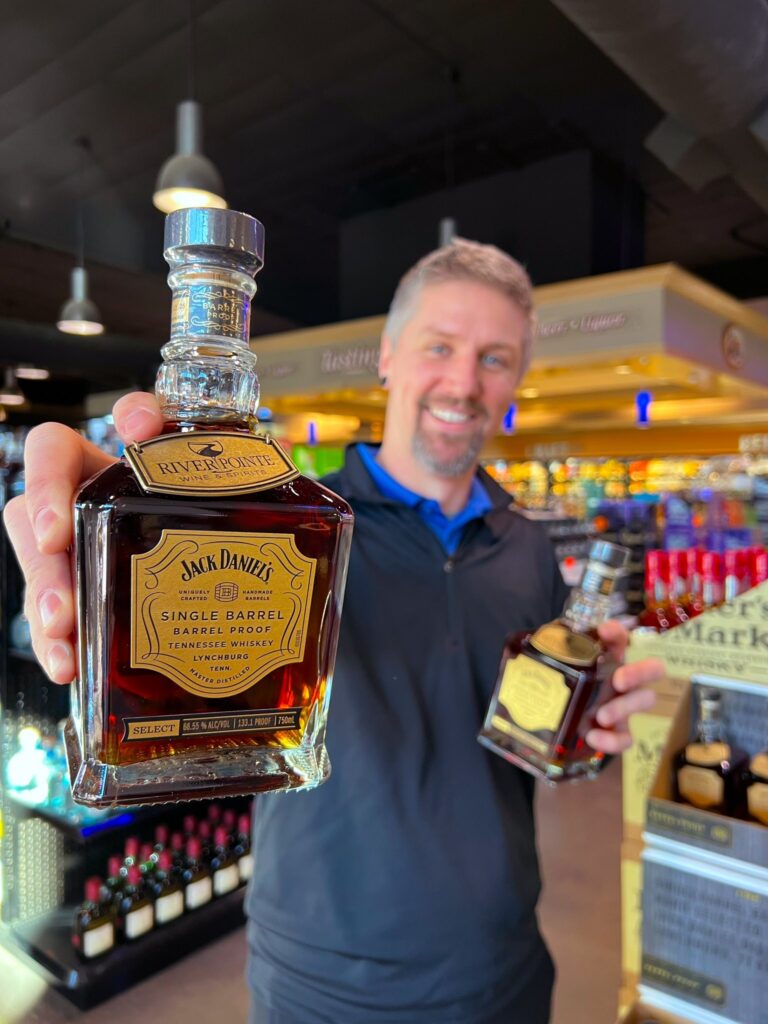
Even when a distillery produces a barrel specifically selected for an Arkansas liquor store, that bottle is typically owned, invoiced, and delivered by a distributor before it reaches the shelf.
Under Arkansas law, liquor stores generally cannot purchase alcohol directly from producers.
This means:
For the vast majority of spirits sold at retail, the distributor is the mandatory link.
Arkansas law includes narrow, specific exceptions for Arkansas-based distillers or manufacturers. These exceptions are real—but limited.
Under Arkansas Code § 3-4-602(g)(3), an Arkansas distiller or manufacturer may:
Once this threshold is exceeded, distribution through a licensed distributor becomes mandatory.
This provision:
Under Arkansas Code § 3-4-602(g)(5), an Arkansas distillery or manufacturer may:
This is why Arkansas distilleries can legally sell bottles on Sundays even when liquor stores may not.
Even with these statutory carve-outs:
For consumers chasing limited releases, these exceptions rarely affect availability.
This is where distributors matter most.
Distributors play a direct role in allocations, including:
Allocations are influenced by:
If a distributor does not allocate a bottle to a store, that bottle never appears, regardless of demand.
Arkansas’s retail spirits market is primarily served by a small number of distributors:
Because each distributor represents different producers, availability can vary dramatically, even between nearby stores.
A common misconception is that liquor stores can simply reorder popular bottles.
In reality:
This is why some stores consistently receive allocations—and others do not.
ArkansasLiquor.com focuses on what happens behind the scenes.
Facebook groups tell you what dropped.
This site explains why it dropped where it did.
If you want to understand allocations, store picks, and shelf availability, the distributor is the tier that matters most.