All voices matter
By5e2793
The Third Pour Podcast: A Double-Blind Bourbon Show Built to Kill Bottle Bias
Share your love
Last Updated on January 16, 2026 by 5e2793
PUBLISH DATE: January 12 2026
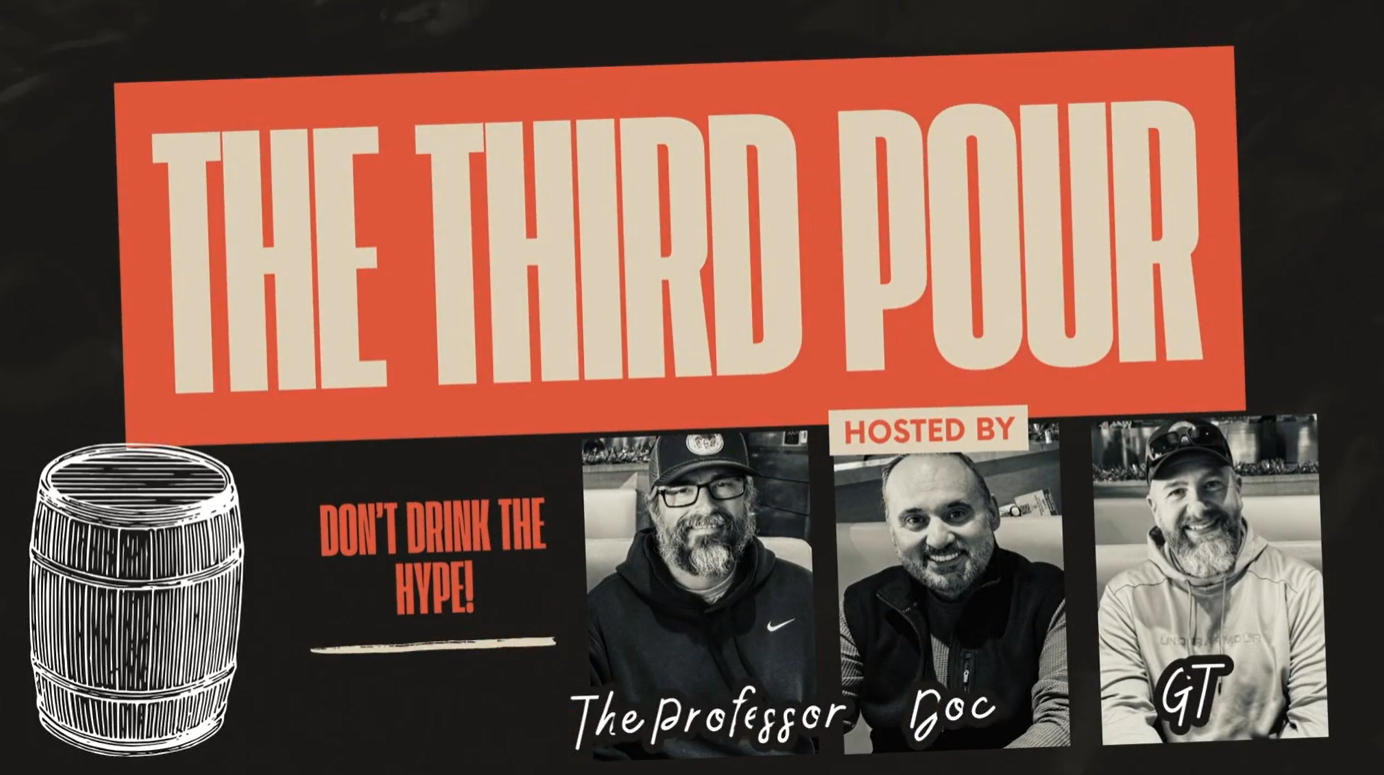
Coming in new this year is a podcast we might not have crossed paths with yet, depending on which bourbon groups in Arkansas you follow. The Third Pour features three friends from Northwest Arkansas, with easy access to nearby whiskey scenes in Missouri, Oklahoma, and Kansas, giving listeners honest and approachable whiskey reviews. Their hook is simple and refreshing: three double-blind pours per episode, designed to eliminate bottle bias and focus on what matters most, what is actually in the glass.
In a whiskey landscape often shaped by branding, allocation pressure, and online hype, The Third Pour starts from a different place. The hosts believe the only thing that truly matters is what ends up in the glass. From the first episode, they make it clear that the goal is not to chase prestige or defend price tags, but to taste openly and let the whiskey earn its reputation on its own.
What “The Third Pour” Means
The name of the show reflects its structure and philosophy. Every episode revolves around three bourbons tasted completely double blind. The hosts do not know the proof, the bottle, or the distiller. They only know what they are smelling and tasting.
“Every episode, we sit down with three bourbons tasting completely double blind. What that means is we don’t know the proof, the bottle, or the distiller. We only know what’s in the glass.”
Only after the discussion and ratings are complete do they reveal what was poured. This approach puts bottle bias under a microscope and challenges one of the most common assumptions in bourbon culture.
“Is that $300 bottle really ten times better than the $30 bottle?”
The Blind Box
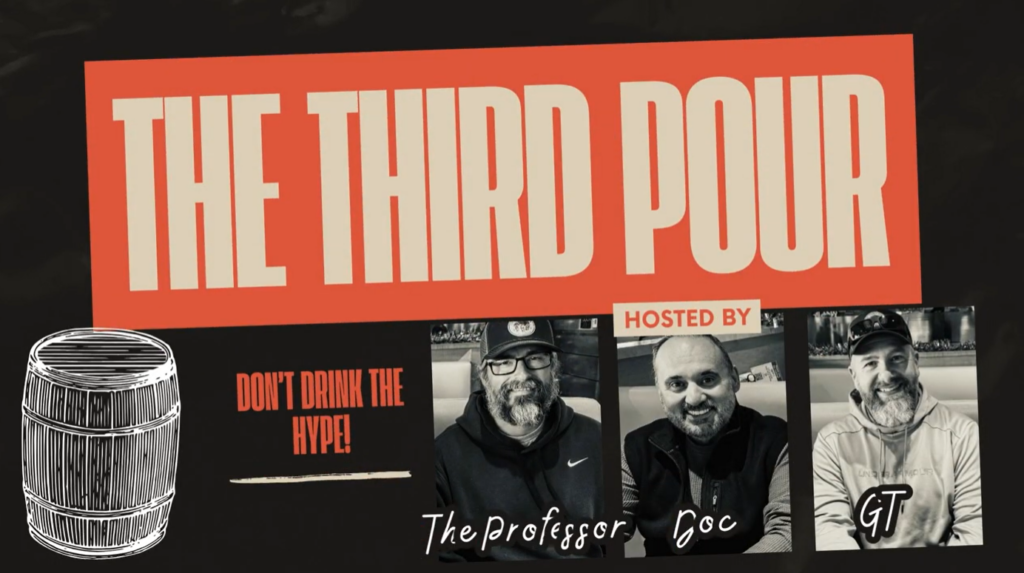
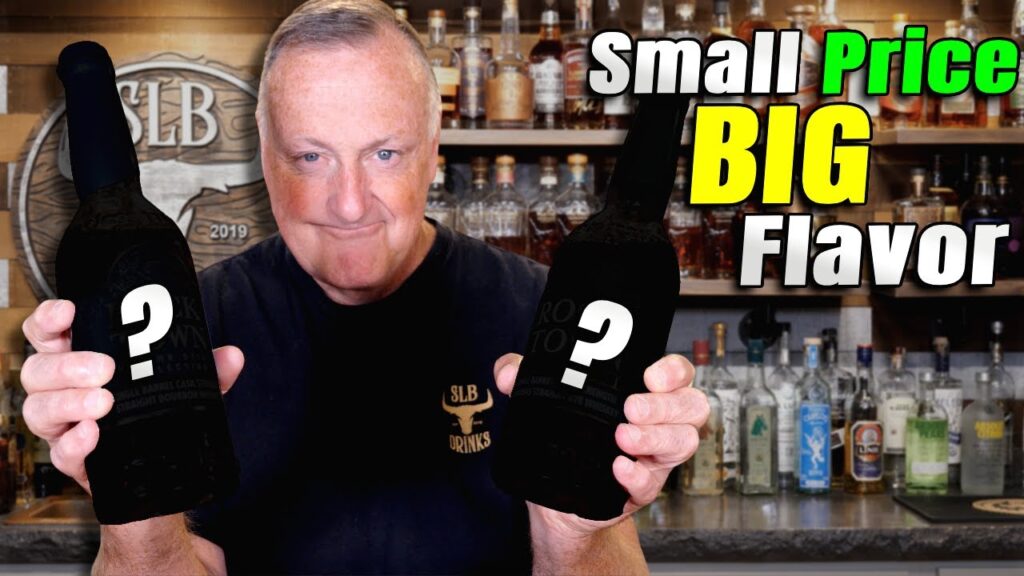
To make the format work, the show relies on what they call the blind box. Bottles are sampled ahead of time and concealed so that no one at the table knows what is coming next. This removes expectation entirely and forces each pour to stand on its own.
The blind box does more than create surprise. It creates honesty. Instead of debating hype or reputation, the conversation stays rooted in aroma, flavor, mouthfeel, finish, and overall enjoyment.
A Simple, Practical Rating System
Rather than numeric scores, The Third Pour uses a five-tier rating system designed to reflect how people actually drink bourbon.
Top Shelf
Reserved for special occasions, celebrations, or bottles that feel genuinely special. Price can be part of the equation, but experience matters just as much.
Daily Sipper
A bottle you want to keep around and reach for often. Easy to enjoy without overthinking it.
Cocktail Bottle
A bottle that shines best in a mixed drink. The hosts make a clear point that a good cocktail still deserves good bourbon.
Try Before You Buy
Bottles that may be expensive, aggressive, unusual, or polarizing. If it is better ordered by the pour than purchased outright, it lands here.
Bottom Shelf
The regret bottle. The apocalypse bottle.
“Bottom shelf is the bottle that just is the regret.”
Episode One: Three Pours, Three Clear Outcomes
The first episode serves as a strong introduction because each pour lands in a distinctly different tier.
Pour One
The opening pour immediately raises eyebrows with an extremely light color and an unusual profile. Notes drift toward grassy, lemon-lime, and thin. The group agrees it lacks depth and staying power.
Final tier: Bottom Shelf
The reveal identifies the bottle as Rogue Dead Guy, described as ocean-aged in oak barrels. While the hosts are blunt in their assessment, they also make a point to respect the effort behind making spirits, even when a pour does not align with their palate.
“Just because I don’t like it, I can still have respect for them.”
Pour Two
The second pour brings classic bourbon signals back into play. Better color, caramel and char on the nose, and a balanced profile that feels familiar and comfortable. The group discusses fruit notes, banana bread, toffee, and candied walnut.
Final tier: Daily Sipper
The reveal shows E.H. Taylor Single Barrel at 100 proof. The discussion separates liquid from marketing and lands firmly on enjoyment.
Pour Three
The final pour comes in hot, literally and figuratively. Ethanol-forward on the nose, rich and oily on the palate, with a delayed chest hug that continues to build. The debate centers on experience versus price.
Final tier: Try Before You Buy
The reveal is Joseph Magnus Cigar Blend at 127.9 proof. The group agrees it is fun and powerful, but price makes it a bar pour before a bottle purchase.
“For the price of this bottle, folks, try it at a bar.”
Why This Podcast Resonates With Arkansas Whiskey Fans
Arkansas has a strong culture of bottle shares, barrel picks, and open discussion. The Third Pour reflects that same energy. It is educational without being clinical, opinionated without being performative, and structured without feeling rigid.
The podcast encourages a habit that seasoned bourbon drinkers recognize quickly. Taste first. Decide second. Trust your own palate.
Where to Follow
The hosts encourage listeners to connect, give feedback, and share ideas across social platforms. The show positions itself as an ongoing conversation rather than a final verdict.
For anyone interested in blind tastings, value-driven reviews, and bourbon talk that keeps the focus on the glass instead of the label, The Third Pour is a podcast worth exploring.

5e2793
Articles: 126Related Posts

Subscribe
Login
0 Comments
Oldest